
How to Choose Handcrafted Furniture for Your Home: A Practical Buying Guide
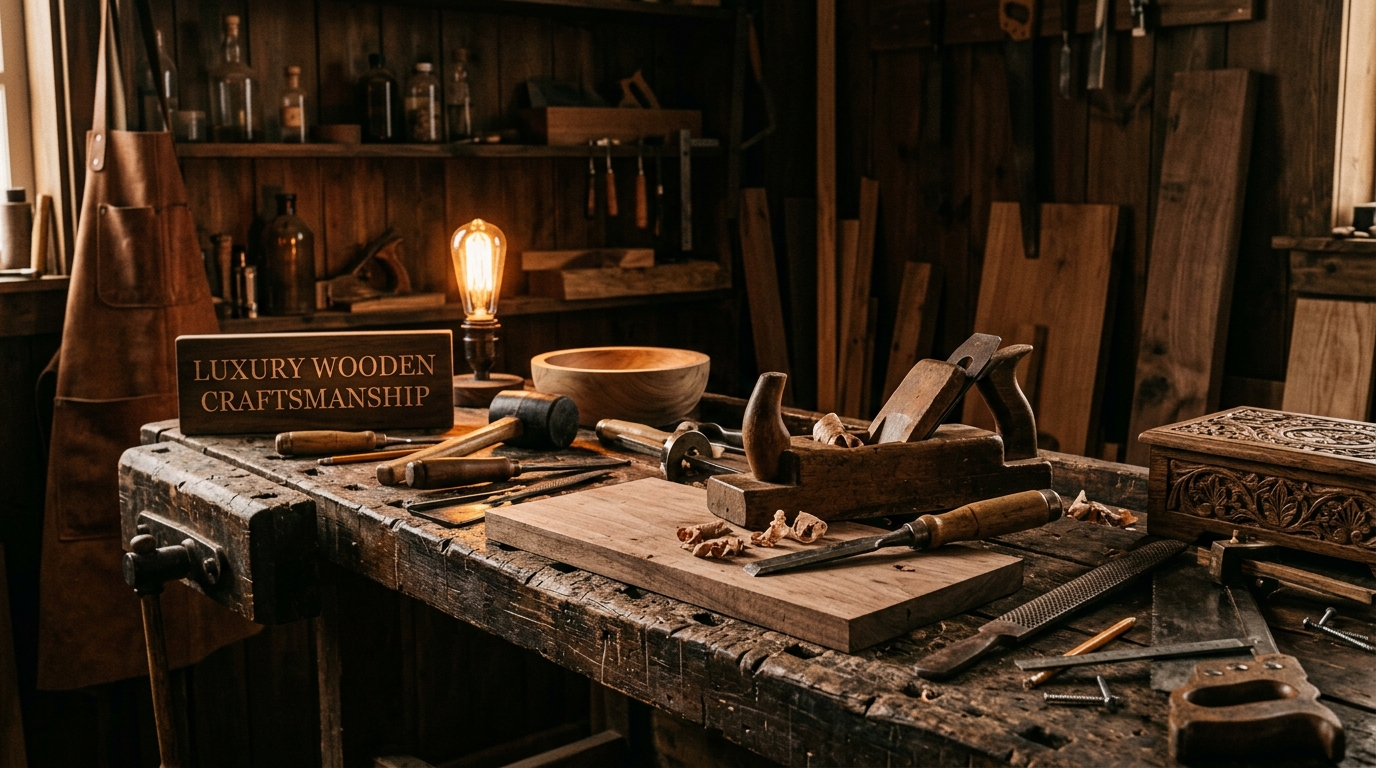
A dining table can look perfect in a photograph and still feel too large once it reaches your home. A beautiful wooden cabinet might offer less storage than you expected. And a chair you love at first glance may not be comfortable enough for a long dinner. Buying furniture involves these everyday details.
1. Decide What Your Home Actually Needs
Before choosing a style, think about how you will use the furniture.
Will your dining table also become a workspace? Does your living room need display shelves or somewhere to hide everyday clutter? Will an accent chair be used regularly or mainly when guests visit?
These questions help you choose useful features. For example, an intricately carved surface may appeal to you, but consider how easily you can clean it after family meals. A cabinet with open shelves makes favourite objects visible, while closed doors keep other belongings tucked away.
Write down your three main requirements before browsing. They might be comfortable seating, easy cleaning and a size that leaves the room feeling open.
2. Measure More Than the Empty Space
Try the Footprint First
Check the furniture’s width, depth and height, then consider the space around it.
A cabinet needs room for its doors to open. Dining chairs need to pull out. A bedside table should sit at a useful height alongside your mattress.
Mark the proposed dimensions on the floor with masking tape. Walk around the outline and check whether nearby furniture remains easy to use.
For storage, ask for internal measurements too. A cabinet’s external size will not tell you whether your serving dishes or books fit inside.
Also measure doorways, staircases, lift openings and tight corners along the delivery route. Confirm whether the furniture arrives assembled and who handles installation.
3. Ask Exactly Which Materials Are Used
Solid Wood, Veneer and Mixed Materials
“Wooden furniture” is a broad description. A piece may use solid wood throughout or combine several materials in different components.
Ask about the tabletop, frame, shelves, drawer boxes and back panel individually.
Solid wood can offer distinctive grain and natural colour variation. Ask which species is used and why it suits the piece.
Veneer is a thin layer of real wood applied over a core. It is not automatically a poor-quality option; the core, edge detailing and overall construction matter.
Engineered wood, metal, cane and upholstery may also form part of a handcrafted design. Evaluate how those materials serve the furniture’s purpose.
A clear material specification is more useful than descriptions such as “premium quality” on their own.
4. Look Beyond the Front of the Furniture
Good product photography shows the design. Close inspection helps you understand the workmanship.
Look underneath tables, inside drawers and around hinges. Ask for close-up images or a demonstration video when buying online.
- The piece sits steadily on a level surface.
- Joints and supports feel secure.
- Drawers move smoothly.
- Doors align and open properly.
- Handles and shelf supports are firmly attached.
- Accessible edges feel appropriately finished.
5. Choose a Finish You Can Live With
The finish affects both appearance and maintenance. A dining table faces different demands from a decorative console. Think about spills, frequent cleaning and how much upkeep you are willing to do.
Before buying, ask: What finish has been applied? How should the surface be cleaned? Are coasters or placemats recommended? Does it need periodic maintenance? Can minor damage be repaired?
Do not assume that a finish is waterproof or heatproof. Follow the maker’s guidance for that particular surface.
If colour matching matters, request a physical sample where available. Look at it beside your flooring and existing furniture in daylight and evening lighting.
6. Check Comfort Before Committing
Comfort is difficult to judge from a photograph.
For dining chairs, consider seat height, depth and back support. Check whether armrests fit under the table and whether the table base leaves enough legroom.
For an armchair, think about how you prefer to sit. A deep seat may suit someone who likes curling up with a book, while another person may prefer a more upright position.
Try seating in person when possible. Otherwise, request detailed measurements and understand the return conditions before ordering. A beautiful chair earns its place when you enjoy using it.
7. Bring the Design Into Your Existing Room
Your furniture does not all need to match, but it should feel connected.
Look at the room’s flooring, wall colours, upholstery and existing wood tones. Consider the visual weight of the new piece as well as its measurements.
A substantial carved cabinet may become the main feature. Simpler furniture around it can give its details room to stand out.
If you are unsure, start with one important piece. Living with it for a while can help you decide what the room needs next.
8. Compare the Complete Price and Purchase Terms
When comparing similar pieces, check what each quotation includes.
Materials, dimensions, handwork, hardware and finishing can influence the price. Delivery and assembly may be charged separately.
Confirm the total cost, estimated timeline, payment stages, warranty and applicable cancellation or return conditions.
For custom furniture, approve a written specification covering dimensions, materials, finish and fittings before production begins. Ask how later changes would affect the price or delivery date.
Clear information makes it easier to compare value and avoid misunderstandings.
A Quick Checklist Before You Buy
| Check | What to confirm |
|---|---|
| Purpose | It suits your everyday needs |
| Size | It fits the room and delivery route |
| Materials | Main components are clearly specified |
| Workmanship | Supports, joints and moving parts work properly |
| Comfort | Height, seating and legroom suit the user |
| Finish | Care requirements are manageable |
| Total cost | Applicable charges are included |
| Terms | Delivery, returns and warranty are understood |
Frequently Asked Questions
Planning Your Bespoke Furniture with Renaissance Kraft?
The right furniture should feel at home in your space and remain useful beyond its first impression. Contact us with your preferred piece, your room dimensions, and how you envision using it. Our craftsmen will help you curate the perfect heirloom.